
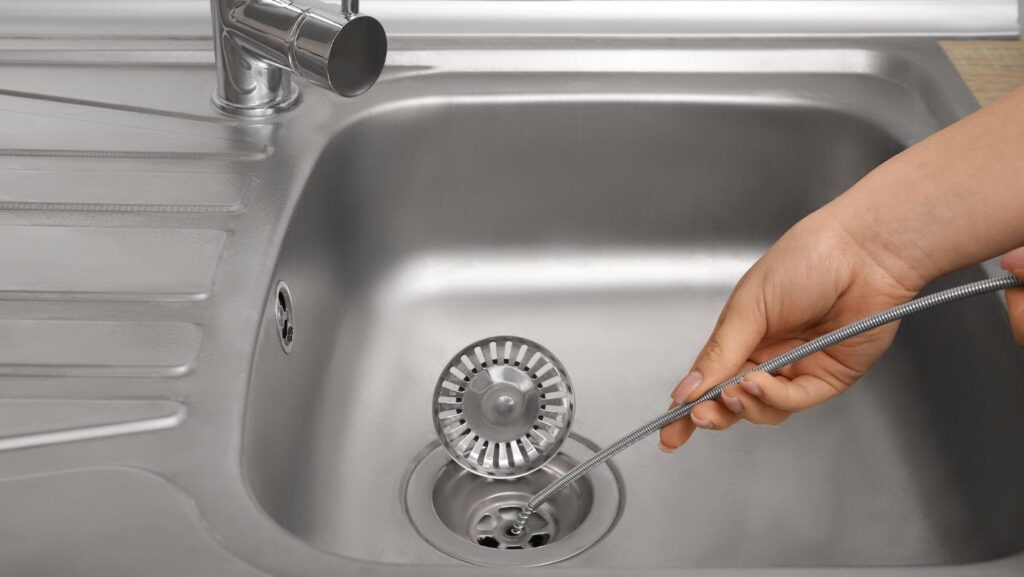
Fat and grease may be a bugbear when it comes to keeping your kitchen sink clean, but they can also cause major damage, not only to your drain but also to the environment. The Environmental Protection Agency (EPA), for instance, notes that grease from restaurants, homes, and similar sources is the most common cause of blockages. When sewer malfunctions occur, and grease enters streams, rivers, lakes, and oceans, it can harm human health, fish, and wildlife, and lead to costly repairs for homeowners. If you’re worried about clogging, the good news is that there are tried-and-tested ways to keep this issue at bay and have the clean, sparkling drains that will last as long as your kitchen does.
Keep Grease Away from Your Drains
The number one rule for preventing clogging is to avoid pouring fats, oils, or grease down your drains. These substances harden when they cool, sticking to pipe walls and combining with food debris to create blockages and enormous sewer “fatbergs.” If you are wondering what those are, they are rock-hard subterranean blockages formed when non-biodegradable items bind with congealed fats, oils, and grease. Once a fatberg forms, it continues to grow as more waste flows into the increasingly narrower pipe. Items that can contribute to fatberg formation include bacon grease, butter, cooking oils, sauces, and salad dressing. A smart strategy is to allow grease to cool and solidify, then pour or scrape it into a sealed container before disposing of or recycling it. Next, wipe your pans clean with a paper towel before washing them. If your drains are clogged and you suspect a fatberg, a professional plumber will be required to locate the source of the clog and, in some cases, replace affected pipes.
Strain Food Carefully When Washing Dishes
Rice, pasta, flour, eggshells, coffee grounds, and other food items can easily make their way down your drain. After cooking or enjoying your meal, scrape food off plates and into compost or food waste bins before rinsing them. Next, use a large strainer to remove any small, stuck pieces of food, to ensure they do not slip through. All these items can bind to grease, swell, clump, or snag inside your pipes. Be watchful for fibrous vegetables such as celery, onion skins, and corn husks, all of which can build up and cause clogging.
Avoid Throwing Chemicals or Household Products Down the Drain
Whether you’re cleaning your home or doing renovation work, avoid the temptation to dump chemicals such as paint, solvents, tile and grout cleaning products, furniture stripper, cement wash, or cleaning products down the drain, as they can damage plumbing, contaminate waterways, and interfere with wastewater treatment. Some products that are sold as “ultra-powerful cleaners” can also damage your pipes. This includes disinfectant and antibacterial cleaners, as well as powerful grease-cutting products. Read the manufacturer’s instructions carefully and dispose of these chemicals as recommended or as required by local regulations.
Debunking Common Drainage Myths
One common myth is that running hot water down the drain will melt any grease or fat you have previously disposed of. While this action may temporarily melt grease, it won’t remove it; rather, it moves it farther along the plumbing system. As melted grease travels to cooler pipes, it simply solidifies, sticking to pipe walls. Eventually, grease build-up can cause multiple narrowings or blockages in your pipes, slowing the flow of water or causing your sink to flood. Pouring washing liquid down the drain won’t help either, as it becomes diluted by water and has little effect on clogged grease.
If you wish to keep your drains in perfect condition, take a preventive approach. Scrape plates before washing them, use a strainer, dispose of grease properly, and compost food scraps when you can. Run water after washing, but avoid allowing grease to reach your drain. Take a minute to wipe down dishes and pans before washing them, clean your strainers regularly, and seek help from a professional plumber if you suspect clogging has already begun. They can identify the source of the problem and restore your drainage system to proper working order, helping keep your pipes clean and free from grease build-up.