
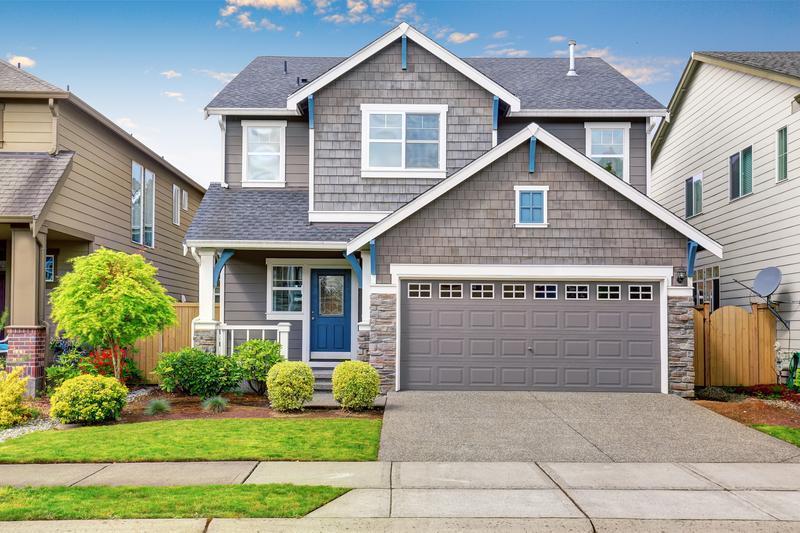
Curb appeal is the first impression your home makes. It is the front cover of the story, the handshake before the conversation, the little visual drumroll before anyone steps inside. But improving curb appeal does not have to mean hiring a landscape designer, replacing the siding, or spending a small fortune on dramatic exterior upgrades.
Many of the best curb appeal improvements are simple, affordable, and surprisingly effective. A clean walkway, fresh mulch, updated house numbers, trimmed shrubs, a painted front door, or a few well-placed planters can make a home look more polished almost immediately. The goal is not to make your home look like a mansion. The goal is to make it look cared for, welcoming, and intentional.
Whether you are preparing to sell, hosting guests, or simply want to enjoy pulling into your driveway a little more, budget-friendly curb appeal projects can make a big difference. Start with the areas people notice first: the front door, walkway, porch, lawn, landscaping, lighting, and visible exterior details. Small improvements in these areas can change the entire feel of a home.
Start With a Deep Clean
Before buying anything new, clean what you already have. Dirt, mildew, cobwebs, leaves, dust, and stains can make even a nice home look tired. A thorough exterior cleaning is one of the most affordable curb appeal upgrades because it costs more effort than money.
Start by sweeping the porch, steps, walkway, and driveway. Remove leaves, branches, old planters, broken decor, and anything that does not belong. Wash windows from the outside if possible. Clean the front door, porch railings, light fixtures, mailbox, and house numbers.
A pressure washer can make a dramatic difference on driveways, sidewalks, patios, siding, brick, and fences. If you do not own one, many hardware stores rent them. Just be careful with delicate surfaces, painted areas, old wood, and certain types of siding. Too much pressure can cause damage.
Cleaning may not sound exciting, but it often reveals that your home needs less work than you thought. Sometimes curb appeal is hiding under a layer of pollen and porch dust, waiting to rejoin polite society.
Paint the Front Door
A freshly painted front door can transform the look of a home in a single weekend. Because the front door is a natural focal point, even a small color change can make the entire exterior feel more updated.
Choose a color that works with the home’s siding, brick, stone, trim, roof, and landscaping. Classic black can feel elegant and timeless. Deep blue, forest green, red, charcoal, warm taupe, or muted terracotta can add personality. A cheerful yellow or soft aqua may work well on cottage-style or coastal-inspired homes.
Preparation matters. Clean the door, remove or tape off hardware, sand rough areas, and use exterior paint suited for the door material. If the door gets direct sunlight or heavy weather exposure, choose a durable finish.
A front door should feel inviting, not random. Look at inspiration photos, neighborhood examples, home design blogs, or even stock photos of front porches to see which color combinations feel right for your home’s style. A little visual research can prevent the “painted it bold, regretted it louder” problem.
Update House Numbers
House numbers are small, but they can have a big visual impact. Old, faded, crooked, or hard-to-read numbers can make the exterior feel neglected. New house numbers are usually inexpensive and easy to install.
Choose numbers that match the personality of the home. Sleek metal numbers can look modern. Black or bronze numbers can feel classic. Tile, wood, or plaque-mounted numbers can add charm to traditional, cottage, or farmhouse-style homes.
Make sure the numbers are easy to see from the street. Style is important, but visibility matters for guests, delivery drivers, and emergency services. If your house numbers disappear into a dark background, choose a contrasting finish or add lighting nearby.
This is a small project with a crisp payoff. It is the exterior version of putting on a clean pair of shoes.
Add or Refresh Mulch
Fresh mulch can make garden beds look cleaner, richer, and more defined. It also helps suppress weeds and retain soil moisture. If your landscaping looks a little dull, dry, or messy, mulch may be one of the quickest fixes.
Before adding mulch, pull weeds, remove dead plants, trim overgrown shrubs, and edge the beds. Then spread mulch evenly, keeping it a few inches away from tree trunks and plant stems. Piling mulch directly against trunks can trap moisture and cause problems.
Choose a mulch color that complements your home. Dark brown or natural wood tones often look classic and blend well with many exteriors. Black mulch can create strong contrast. Red mulch can work in some landscapes, but it may compete visually with brick, stone, or colorful plantings.
The clean edge between lawn and mulch is often just as important as the mulch itself. Defined borders make landscaping look intentional instead of accidental.
Create a Simple Container Garden
Planters are one of the easiest ways to add color, texture, and life to a front porch, steps, walkway, or entry. You do not need a large garden to make an impact. A few well-chosen containers can make the entrance feel welcoming.
For a balanced look, use matching planters on either side of the door or steps. For a more relaxed look, group containers in different sizes. Choose plants based on sunlight, climate, and maintenance level.
A simple formula works well: one tall plant for height, one fuller plant for volume, and one trailing plant to spill over the edge. For example, you might use ornamental grass, flowers, and trailing ivy. In cooler seasons, try evergreens, pansies, mums, or ornamental cabbage.
If you prefer low-maintenance options, use hardy greenery rather than flowers that need constant watering and deadheading. Even simple ferns, boxwoods, or snake plants in attractive pots can elevate an entryway.
Planters are also easy to change seasonally. You can refresh the front of your home throughout the year without reworking the entire landscape.
Improve Outdoor Lighting
Good lighting makes a home feel safer, warmer, and more inviting. It also helps highlight the best features of your exterior after sunset.
Start with the porch light. If the fixture is outdated, rusty, too small, or too dim, replacing it can make the entry feel more polished. Choose a fixture that fits the scale of the door and porch. A tiny light beside a large door can look underwhelming, while an oversized fixture may feel awkward.
Solar pathway lights are another budget-friendly option. They can guide guests along walkways, highlight garden beds, and add soft evening glow. For porches or patios, string lights can create a cozy atmosphere.
Make sure lighting is practical, not just decorative. The entry should be bright enough for people to see the lock, steps, and walkway clearly. A beautiful exterior still needs to function safely.
Replace or Refresh the Mailbox
A worn mailbox can quietly drag down curb appeal. Whether it is attached to the house or mounted near the street, the mailbox is one of those details people notice without realizing they noticed it.
If your mailbox is dented, faded, rusty, or leaning like it has given up on the concept of posture, consider replacing it. Many basic mailboxes are affordable and easy to install. If the existing mailbox is still in good shape, clean it, repaint it, update the numbers, or add a small planting bed around the post.
Be sure to follow local postal rules if you replace a curbside mailbox. Height, placement, and accessibility matter.
A clean mailbox helps the home feel maintained from the street, which is exactly what curb appeal is about.
Edge the Lawn and Walkways
A neatly edged lawn can make the entire yard look sharper. Edging creates clean lines between grass and sidewalks, driveways, garden beds, and paths. It is a small detail, but it gives the landscape a finished look.
You can use a manual edger, string trimmer, or powered lawn edger. Focus on the most visible areas first: the front walkway, driveway, curb, and garden bed borders. After edging, sweep or blow away clippings for a clean finish.
This project costs very little and can be done in an afternoon. It is especially useful if your yard already has healthy grass but looks a little messy around the edges.
Clean edges make a yard look intentional. They are the landscaping equivalent of a good haircut.
Trim Shrubs and Trees
Overgrown shrubs can hide windows, crowd walkways, and make a home look darker than it really is. Trimming them back can instantly improve curb appeal and let more natural light reach the house.
Start by removing dead branches, uneven growth, and anything blocking doors, windows, steps, or pathways. Shape shrubs gradually rather than cutting too aggressively. If you are unsure about the best time to prune a specific plant, look it up before cutting. Some plants bloom on old wood and may lose flowers if trimmed at the wrong time.
Tree branches should also be reviewed. Low branches can make a yard feel cramped or block views of the home. For large limbs or anything near power lines, hire a professional.
Well-maintained landscaping helps the house look cared for. It also makes the entry feel more open and welcoming.
Add a New Doormat
A doormat is simple, inexpensive, and immediately noticeable. A worn, faded, or dirty mat can make the entry feel tired. A fresh one can add warmth and personality.
Choose a mat that fits the width of the door. A tiny mat in front of a large door can look out of scale. For a layered look, place a patterned outdoor rug underneath a coir doormat. This creates a more styled entry without much cost.
Keep the design simple if you want a classic look. Natural fibers, black borders, stripes, geometric patterns, or subtle seasonal designs work well. Avoid mats that are too thin, slippery, or hard to clean.
This is one of the easiest curb appeal upgrades, but it still matters. The front door area is where people pause, so every detail there gets extra attention.
Paint or Stain Porch Furniture
If you have outdoor furniture, give it a refresh before replacing it. A faded bench, chair, or small table may only need cleaning, sanding, paint, stain, or new cushions.
Choose outdoor-rated paint or stain, and make sure the furniture material is properly prepared. Metal, wood, wicker, and plastic all require different approaches. New cushions or pillow covers can also make old furniture feel more inviting.
Keep porch furniture in proportion to the space. A small porch may only need one chair and a plant stand. A larger porch can handle a bench, two chairs, or a small conversation area.
The goal is to create a front-of-home moment that feels welcoming, not crowded. Outdoor furniture should invite people in, not make them squeeze around a decorative obstacle course.
Hide Eyesores
Every home has practical items that are not especially pretty: trash bins, hoses, utility boxes, air conditioning units, electrical meters, and outdoor tools. Hiding or organizing these items can improve curb appeal quickly.
Use a simple privacy screen, lattice panel, small fence section, tall planters, or shrubs to soften the view of trash bins or utility areas. Be careful not to block access or airflow, especially around HVAC units and meters.
A hose reel or decorative hose pot can make a garden hose look tidier. A small storage bench or outdoor box can hold gardening gloves, small tools, or porch accessories.
Curb appeal is often about reducing visual noise. When practical items are organized or screened, the whole exterior looks calmer.
Refresh the Walkway
The walkway guides people to your home, so it should feel clean and welcoming. Start by sweeping, weeding cracks, and washing the surface. If pavers are uneven, reset them if possible. If gravel has thinned, add more. If the path feels dark, add solar lights along the edges.
You can also enhance a plain walkway with simple landscaping. Add low plants, mulch, stones, or small border edging along the sides. Keep plants from spilling too far onto the path so the walkway remains easy to use.
A defined walkway makes the home feel more inviting. It visually says, “This way in,” instead of “Best of luck, traveler.”
Use Symmetry for an Easy Polished Look
Symmetry is one of the simplest design tricks for curb appeal. Matching planters on either side of the door, balanced lighting, paired chairs, or evenly placed shrubs can make the exterior feel more formal and organized.
This does not mean everything must be identical. But repeating shapes, colors, or materials creates order. Two matching planters by the door can make an entry feel complete. Two lanterns or sconces can frame a doorway. A pair of small trees or shrubs can add structure.
Symmetry works especially well when you want an elevated look without spending much. It gives the eye a clear pattern to understand.
Final Thoughts
Improving curb appeal does not require a major renovation or a giant budget. Many of the most effective upgrades are simple: clean the exterior, paint the front door, update house numbers, add fresh mulch, use planters, improve lighting, edge the lawn, trim shrubs, refresh the mailbox, and create a more welcoming entry.
The best place to start is with what people see first. Stand across the street or at the end of the driveway and look at your home honestly. What feels messy, faded, hidden, or unfinished? What could be cleaned, painted, trimmed, replaced, or simplified?
Small changes can work together to create a big improvement. A clean walkway, fresh door color, matching planters, and updated lighting may cost far less than a major project, but they can make the whole home feel more polished.
Curb appeal is not about perfection. It is about care. When the outside of your home feels tidy, welcoming, and intentional, it changes how others see it and how you feel every time you come home.