
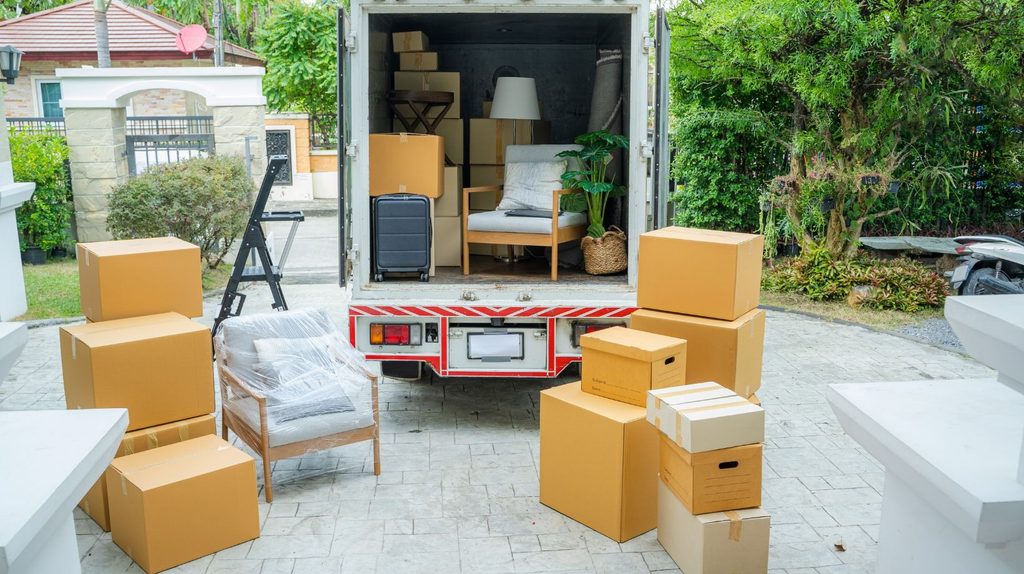
Most homebuyers spend months on the buying process. They compare listings, get pre-approved, negotiate offers, schedule inspections, and read through a stack of closing documents. When they finally get the keys, it feels like the finish line.
It isn’t. Closing day is really the halfway point. The house is yours, but everything you own is still somewhere else, packed or half-packed. Getting it all into the new place safely, on time, and in working order is its own project, and it often takes more planning than people expect.
This guide covers why moving into a new home gets complicated and how to handle the physical move after closing so your first weeks go smoothly.
What Makes Moving Into a New Home More Complicated Than Expected?
Buyers usually plan their move as an afterthought. The mortgage and the paperwork take up so much attention that the move gets squeezed into the last week or two. Several things tend to catch people off guard.
- Closing Dates Don’t Always Stay Put
A closing can slip for many reasons. A lender needs one more document, an appraisal comes in late, or the sellers need extra time to move out. Even a two-day delay can throw off a move you booked weeks ago.
On the other side, your current lease or sale might have a firm end date. That leaves you caught between two homes with a truck full of furniture and nowhere to put it. Many buyers end up needing short-term storage they never planned for.
- You Don’t Know the New House Yet
You’ve probably seen the new home only a handful of times. Walkthroughs focus on the roof, the furnace, and the kitchen, not on whether your sectional fits up the staircase. Details like doorway width, hallway turns, and ceiling height on a landing rarely come up until moving day.
That’s when problems show up. A king-size headboard that fit fine in your old bedroom might not make the turn at the top of the new stairs.
- Everything Happens at Once
Moving week piles up fast. You’re setting up utilities, changing your address, arranging internet service, and maybe still working full-time. If you have kids or pets, their routines are thrown off too.
Decision fatigue sets in quickly. After a few days of choosing where every box goes, even simple choices start to feel heavy. People often rush the final stretch, and that’s when items get damaged or lost.
- The Move Costs More Than Money
A do-it-yourself move looks cheap on paper. You rent a truck, buy boxes, and ask a few friends to help. Once you add fuel, packing supplies, dollies, furniture pads, and a few days off work, the savings shrink.
Then there’s the physical risk. Carrying a dresser down a flight of stairs is how many people strain their backs. Asking friends to help also has a cost, since you’re relying on their schedules and their lifting skills.
Handling the Physical Move After Closing
Once the keys are in your hand, the focus shifts to logistics. Here’s how to approach the parts of the move that cause the most trouble.
- Coordinate the Move With Your Closing Date
Try not to schedule your move for the same day as closing. Closings sometimes run late in the afternoon, and funds may not transfer until the next business day. Booking the move a day or two after closing gives you a buffer if anything shifts.
If your timeline is tight, ask about storage options early. Keeping furniture in a secure unit for a few days is far less stressful than scrambling for space at the last minute. Also confirm with your real estate agent when the sellers will fully vacate, so you’re not arriving to a house that’s still occupied.
- Measure Before You Lift
Take a tape measure to the new home before moving day if you can. Check front and back doors, interior doorways, staircase width, and any tight corners. Write the numbers down and compare them to your largest pieces.
This simple step prevents a lot of frustration. If the couch won’t fit through the front door, you might plan to bring it through a patio slider instead. Knowing this ahead of time saves the crew from trying six angles in the rain.
- Take Apart What Needs Taking Apart
Large furniture often moves better in pieces. Bed frames, dining tables, sectional sofas, desks, and bookshelves can usually be disassembled to get through narrow spaces. Removing legs and detaching headboards also lowers the risk of scratches and broken joints.
Keep the hardware organized. Put screws and bolts for each item in a labeled zip-top bag, then tape the bag to the piece itself. When it’s time to put things back together, you won’t be hunting for one missing bolt at 10 p.m.
- Pack Fragile Items With Extra Care
Glassware, dishes, framed art, mirrors, and lamps need more protection than a layer of newspaper. Use sturdy boxes, wrap each item on its own, and fill empty space so nothing shifts inside the box. Plates travel better standing on edge, like records, than stacked flat.
Label fragile boxes on the top and on at least two sides. That way, anyone carrying them knows to handle them gently and keep them upright. Heavy items belong in small boxes, and light items belong in large ones.
- Plan for Stairs and Tight Spaces
Stairs are where most moving injuries and furniture damage happen. Heavy pieces like dressers, pianos, safes, and appliances need proper equipment, such as furniture straps, dollies, and padding. They also need people who know how to carry weight on an incline.
Protect the new home as well. Floor runners, door jamb covers, and corner guards help you avoid dents and scuffs on a house you just bought. Nobody wants to start homeownership by patching drywall.
- Consider Professional Help for the Heavy Work
For many buyers, hiring movers for the physical part of the job is the most practical choice. A good crew brings the right equipment, knows how to handle awkward items, and can finish in hours what might take a group of friends a full weekend.
If you’re moving within southeastern Pennsylvania, Cullen Moving & Storage, a mover based in Aston, PA, is one example of a company offering full moving services that include packing, furniture disassembly, and reassembly at the new home. Whoever you hire, confirm that the company is licensed and insured, ask what’s included in the quote, and get the details in writing.
- Get Everything Into the Right Room
A move isn’t done when the truck is empty. It’s done when your belongings are in the right rooms and your furniture is set up and usable.
Label every box with its destination room, not just its contents. You can also tape a simple sign to each door in the new house, such as “Primary Bedroom” or “Office,” so movers can place things without asking. Have beds assembled on the first day, because a good night’s sleep makes the rest of the unpacking much easier.
Small Steps That Make Move-In Week Easier
A few habits can make a big difference in the first days after you move.
- Pack an essentials box. Include toilet paper, chargers, medications, basic tools, snacks, a change of clothes, and bedding. Keep it with you, not on the truck.
- Do a quick walkthrough first. Before anything comes in, check that the sellers left the home as agreed and note any existing damage.
- Change the locks. You don’t know how many copies of the old keys exist.
- Unpack in stages. Start with the kitchen and bedrooms, then move to living areas. Storage rooms and the garage can wait.
- Give yourself grace. Most people take weeks, not days, to fully settle in.
Conclusion
Buying a home takes a lot of planning, but moving into it deserves the same attention. Closing dates shift, new homes have tight spots you haven’t noticed, and heavy furniture doesn’t care how tired you are. Planning the physical move early helps you avoid most of the stress.
Here are the key takeaways. Leave a buffer of a day or two between closing and moving day. Measure doorways and stairs before you pack the truck. Disassemble large furniture and keep hardware labeled. Pack fragile items carefully and mark boxes by room. Finally, be honest about what you can safely handle yourself, and get help for the rest.
The goal is simple: walk into your new home with your belongings intact, your back in one piece, and enough energy left to enjoy the fact that it’s finally yours.