
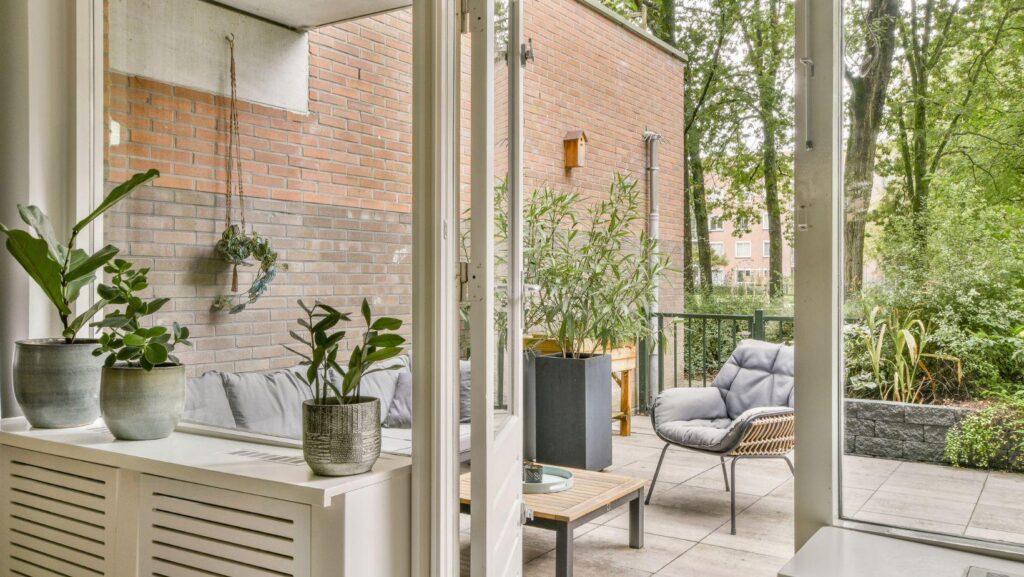
It is possible to design outdoor spaces to be used as additions to the house based on people’s needs rather than aesthetics. For instance, instead of basing the design of an outdoor space on how it looks, people can think about how they would use it throughout the day. It might help people to enjoy their coffee in the morning, hang out with their family or relax after work.
Supporting Daily Activities
An excellent outdoors will make the activities people engage in become much more fun because the outdoors provides a good atmosphere in which people carry out their daily habits. An individual who loves starting his day with coffee may require a seating area next to the kitchen or in a portion of the backyard. Individuals working from home will need a shaded area with a table and easy access into the house. When daily habits have been identified, it is much easier to create an outdoor area that is useful rather than useless.
The routines of daily life vary through the day, meaning that one has to be flexible with outdoor designs. The patio may act as a place for breakfast during the morning hours, playing ground for children during the afternoon and family reunions during the evening. Adopting such adaptable layouts will allow individuals to get the best out of one outdoor area without necessarily moving things around all the time.
Improving Comfort And Convenience
Comfort is one of the elements that will encourage people to stay outdoors longer. By choosing proper outdoor furniture, it will be possible to provide useful seating for reading, having meals, socializing, and just relaxing. The choice of sizes and placements of chairs, tables, and other furniture pieces will depend on the way the area will be used. Thus, for instance, a family that uses the outdoors for having meals will need a solid table, whereas somebody who likes to relax will need comfortable lounging chairs and a side table.
Convenience is another element to be considered, and its presence will depend on the accessibility of necessary elements. When a person is going to use the outdoors often, it is necessary to ensure the ease of access to the area and maintenance of it. It means that seating will have to be placed close to entrances, proper lighting should be provided, and paths will have to be kept clear.
Reflecting Personal Preferences
The incorporation of everyday activities within an outdoor space gives room for the expression of personal taste and preferences in designing. For example, a person with a liking for gardening can decide to have raised beds for planting, storage space, and a place where one can view the plants. Similarly, some people can have an outdoor space designed to serve entertainment purposes and have seats for the guests and a place for eating outside. These activities help in determining the overall design of the outdoor space, giving it an identity that relates to the interests of the household.
The visual elements of the space can also be used to give the space more consistency in relation to other spaces in the property. Homeowners may coordinate furniture colors with their home’s exterior or use paint on suitable surfaces to create a consistent appearance. Selecting matching finishes for fences, walls, and decorative items can enhance the integration of the outdoor space with the other parts of the property. In addition, the idea here is to achieve a design that can suit personal tastes and yet be functional.
Supporting Long-Term Use
Construction and improvement decisions can be made in a more enlightened manner through the use of planning with regards to everyday routine. When designing an outdoor place such as a patio, a deck or a cooking area, one must take into consideration the way it will be used. This may allow the individual to use building supplies that will help him/her create a durable, safe and easy to maintain place. The materials chosen by the person should suit his/her climatic conditions and frequency of use, especially in places that have rain, sun exposure and temperature change.
By having a long-term plan, people are not forced to incur unnecessary costs and alterations. A householder who will frequently entertain guests may need to create enough sitting areas and paths at the beginning of designing. Likewise, families may need to leave spaces that will enable them to accommodate their changing needs in the future.
Using outdoor space planning based on people’s daily activities allows homeowners to develop spaces that promote comfort, convenience, and pleasure. Taking into account daily activities, placing furniture, vision, and future needs of the owner will allow him/her to use the backyard more efficiently. In fact, an efficient outdoor space planning means much more than just improving the look of the house.