
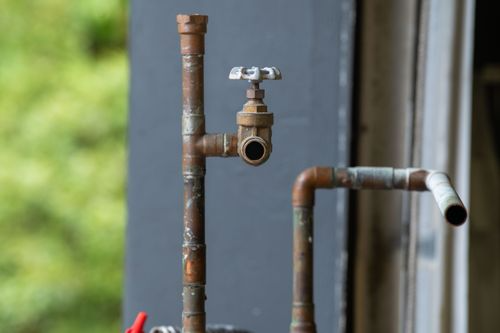
A home can look perfectly fine on the surface while hiding expensive plumbing issues behind walls, under floors, and inside utility rooms. Many buyers focus on kitchens, bathrooms, flooring, and curb appeal. Plumbing systems often receive less attention until signs of trouble begin to appear.
Galvanized pipes, weak water pressure, and noisy water heaters are among the most common problems found in older homes. These issues can affect daily comfort, increase maintenance costs, and create concerns for future buyers.
For homeowners thinking about selling, understanding how these plumbing problems impact property value can help them make informed decisions. For buyers, recognizing the warning signs may prevent unexpected repair bills after closing.
What Happens When Old Pipes Start Showing Their Age
Many homes built decades ago were equipped with galvanized steel pipes. At the time, they were considered durable and reliable. As years pass, corrosion develops inside the pipes, restricting water flow and reducing efficiency.
Homeowners dealing with these aging systems often notice slow-running faucets, inconsistent water pressure, and discolored water. The interior buildup narrows the pipe diameter, making it harder for water to move through the system.
When buyers discover outdated plumbing during inspections, concerns about future replacement costs often follow. Some homeowners choose to sell before investing in a complete plumbing overhaul. In situations like these, companies such as Bright Future Home Buyers may provide an alternative for sellers who prefer a straightforward transaction without completing major plumbing upgrades beforehand.
Common Signs of Aging Galvanized Pipes
|
Warning Sign |
What It May Indicate |
|
Brown or rusty water |
Internal pipe corrosion |
|
Weak water pressure |
Mineral buildup is restricting flow |
|
Frequent leaks |
Pipe deterioration |
|
Uneven water flow |
Blockages inside plumbing lines |
|
Visible rust on pipes |
Advanced aging of the system |
Why Water Pressure Matters More Than People Think
Low water pressure may seem like a minor inconvenience at first. Over time, it becomes one of the most frustrating problems in a home.
Simple tasks such as showering, washing dishes, or running appliances become less efficient. Residents may notice significant changes when multiple fixtures operate at the same time. A shower that suddenly loses pressure when someone uses a sink often points to plumbing restrictions.
Low water pressure can also affect buyer confidence during property showings. Potential buyers frequently test faucets and showers while viewing a home. Weak flow creates an immediate impression that plumbing repairs may be needed.
In competitive markets, buyers often compare several homes before making an offer. Properties with noticeable plumbing issues may struggle to stand out against homes with updated systems.
When a Water Heater Starts Speaking Up
A water heater should operate quietly. Occasional sounds are normal, though loud groaning, popping, rumbling, or banging noises often indicate underlying problems.
Mineral sediment naturally accumulates inside water heaters over time. As water becomes trapped beneath those deposits, heating cycles create unusual sounds. These noises may signal reduced efficiency and increased strain on the unit.
Here are some common water heater sounds and their possible causes:
|
Sound |
Possible Cause |
|
Popping |
Sediment buildup |
|
Rumbling |
Excessive mineral deposits |
|
Banging |
Expanding trapped water |
|
Whistling |
Restricted water flow |
|
Humming |
Heating element vibration |
Ignoring these warning signs can shorten the lifespan of the unit and increase utility costs. A failing water heater often becomes another item buyers add to their list of concerns during inspections.
Repair Costs Can Add Up Quickly
One plumbing issue often leads to another. A homeowner who starts by investigating low water pressure may discover corroded supply lines. A noisy water heater inspection may reveal additional maintenance concerns.
Below is a general overview of common plumbing-related expenses:
|
Plumbing Issue |
Typical Scope of Work |
|
Galvanized pipe replacement |
Partial or full repiping |
|
Water heater replacement |
New unit installation |
|
Leak repairs |
Pipe repairs and restoration |
|
Pressure correction |
Pipe upgrades or valve replacement |
|
Water damage restoration |
Drywall and flooring repairs |
Actual costs vary by location, property size, and project complexity. Large-scale plumbing work can become a significant financial commitment for homeowners already planning a move.
These repair expenses often influence whether a seller decides to renovate before listing or explore alternative selling options.
How Plumbing Problems Influence Home Sales
Modern buyers are more informed than ever. Home inspection reports provide detailed information about a property’s condition, making it difficult to overlook plumbing concerns.
When inspectors identify galvanized pipes, aging water heaters, or pressure issues, buyers may request repairs, negotiate credits, or lower their offers. In some cases, financing complications arise if major system deficiencies are discovered.
Sellers often face difficult decisions at this stage. Completing repairs can delay the sale and increase expenses. Declining repair requests may lead buyers to walk away from the transaction.
Properties with updated plumbing systems generally create a stronger impression and attract greater confidence from prospective buyers. Homes with unresolved issues can still sell, though sellers should prepare for questions regarding future maintenance and replacement needs.
Looking Beyond Surface-Level Upgrades
Fresh paint, stylish fixtures, and attractive landscaping can improve a home’s appearance. Plumbing systems, however, remain one of the most important components buyers evaluate when considering a purchase.
A home with strong water pressure, dependable pipes, and a properly functioning water heater provides peace of mind. These systems support everyday comfort and reduce the likelihood of costly surprises.
Homeowners dealing with aging plumbing should assess the condition of their systems before listing a property. Knowing what lies behind the walls allows sellers to plan more effectively, set realistic expectations, and choose the path that best fits their goals.
FAQs
1. How long do galvanized pipes typically last?
Galvanized pipes often last between 40 and 70 years, depending on water quality, maintenance, and environmental conditions. Corrosion usually becomes more noticeable as the system ages.
2. Can low water pressure be fixed without replacing all the pipes?
In some situations, yes. The solution depends on the cause of the problem. Minor issues may involve valves or localized blockages, while severe corrosion may require pipe replacement.
3. Are water heater noises always a sign of failure?
Not always. Some sounds result from sediment buildup and maintenance issues. Persistent loud noises should be inspected to determine whether repairs or replacement are necessary.
4. Should plumbing issues be disclosed when selling a home?
Disclosure requirements vary by location. In many cases, known plumbing defects should be disclosed to potential buyers to help avoid future disputes.