
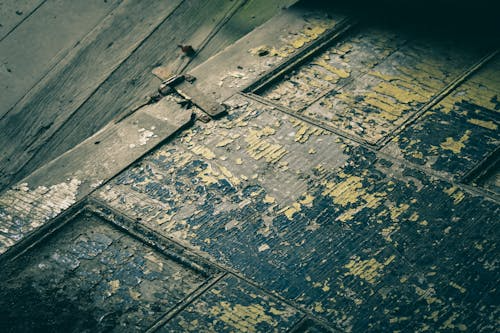
Walk into any home, and the first thing you notice before the paint, before the furniture, before anything else, is the floor. It sets the mood for the whole space. And if that floor is old, scratched, or stained, it quietly tells a story you probably don’t want buyers to hear.
Why Floors Talk Louder Than You Think
People make up their minds about a home within seconds of walking through the door. It is not a conscious decision. It is a gut feeling. And floors are the single biggest visual element your eye picks up when you step inside a room. They cover more surface area than walls or ceilings, and they are always in your line of sight.
When a floor is clean and fresh, it creates a feeling of care and quality. When it is cracked, faded, or lifting at the edges, it does the opposite. It signals neglect, even if every other part of the home is in perfect shape. That is a hard first impression to recover from.
Here is what old or damaged flooring can silently communicate to a visitor or buyer:
- The home has not been well-maintained over the years
- There may be other hidden problems, like moisture or structural issues underneath
- The owner is not serious about getting a fair market price
- Renovation costs will fall on the buyer, making them negotiate harder
- The home feels old, even if it was recently updated elsewhere
- The overall cleanliness of the home is in question
|
54% of buyers say flooring impacts their offer |
7 sec average time to form a first impression |
3–5% Potential price drop from poor floors |
How Damaged Flooring Hurts a Home Sale
Old flooring does not just look bad. It actually costs you money. When buyers see worn-out surfaces, they start doing math in their heads. They estimate what it will cost to replace or refinish the floors and then subtract that number from what they are willing to offer. Often, they overestimate the cost, which means you lose more than the actual price of the fix.
There is also the issue of market time. Homes with obvious cosmetic problems tend to sit on the market longer. The longer a home sits, the more leverage buyers have. That leads to lower offers, more demands during inspection, and more stress for you as the seller.
Some buyers will skip the home entirely. In a competitive market, many people are shopping online and making decisions before they even visit. If listing photos show discolored carpet or cracked tile, many buyers will swipe past without a second thought.
Fast Vegas Home Buyers often work with homeowners who are dealing with exactly this problem. Properties that need flooring work or other repairs, but the owner cannot afford the time or cost to fix them before selling. In those cases, selling as-is to a cash buyer can be a practical option worth considering.
Types of Flooring Problems That Kill Deals
Not all flooring issues are equal. Some are easy fixes. Others are serious red flags. Knowing the difference helps you decide where to put your energy and money before listing a home.
Scratched or dull hardwood is one of the most common problems. Hardwood floors look beautiful when they are polished, but heavy foot traffic over the years dulls the finish and leaves behind scratches. Refinishing hardwood is not as expensive as replacing it, and the results can be dramatic. A good refinish job can make old wood look brand new and add real value to the sale.
Stained or odorous carpet is possibly the worst issue a home can have during a showing. Carpets absorb smells from pets, cooking, and daily life over many years. Even if the stain is cleaned, the smell often remains. Buyers are deeply sensitive to odors because they know it is difficult and expensive to fully remove them. Replacing carpet before a sale is often one of the highest-return investments a seller can make.
|
Cracked tile, peeling vinyl, warped laminate, and soft spots in flooring are all problems that suggest something worse underneath, like water damage or subfloor rot. These need to be disclosed and addressed before a sale, or they will surface during inspection and tank the deal. |
Small Fixes That Make a Big Difference
You do not always need a full renovation to improve how your floors look and feel. In many cases, targeted repairs and a good cleaning can change the entire vibe of a room. Start with a deep clean. Professional floor cleaning, whether steam cleaning for carpet or polishing for hardwood, removes layers of grime that have built up and instantly brightens the space.
For hardwood, a fresh coat of finish or even a buff-and-coat service (which is lighter than a full sand-and-refinish) can restore shine without major cost. For tile floors, re-grouting dirty or cracked grout lines makes a surprising difference. Fresh white grout against old tile can look like a completely different floor.
When Replacement Makes More Sense
Sometimes, repair is not enough. If the flooring is severely damaged, outdated in style, or simply too worn to clean up well, replacement is worth the investment. The key is choosing materials that appeal broadly to buyers, not just your personal taste.
Luxury vinyl plank (LVP) has become one of the most popular choices for sellers because it looks like hardwood, is durable, water-resistant, and costs significantly less than real wood. It photographs beautifully, which matters a lot in online listings. Neutral tones like warm gray or light oak appeal to the widest range of buyers.
Avoid trendy choices that might divide opinion. Stick with clean, neutral, and timeless. Your goal is to get buyers emotionally connected to the home, and good flooring removes one of the biggest emotional barriers that stands in the way.
FAQs
1. How much does old flooring affect a home’s sale price?
Old or damaged flooring can lower a home’s value by around 3–5%, sometimes more if buyers expect major repairs. Many buyers mentally subtract replacement costs from their offer, often overestimating the expense, which leads to lower bids and tougher negotiations.
2. Should I replace the flooring before selling my house?
It depends on the condition. If the flooring is heavily stained, damaged, or outdated, replacing it can deliver a strong return and attract more buyers. For minor issues like scratches or dullness, cleaning or refinishing may be enough to improve first impressions without a full replacement.
3. What type of flooring is most appealing to buyers right now?
Neutral, durable options tend to perform best. Luxury vinyl plank (LVP), refinished hardwood, and clean, stain-free carpet in bedrooms are all popular choices. Buyers prefer flooring that looks modern, is easy to maintain, and fits a wide range of styles.
4. Can I sell my house without fixing old flooring, and will buyers like Fast Vegas Home Buyers still be interested?
Yes, you can sell a home without replacing old flooring. Buyers like Fast Vegas Home Buyers often purchase properties as-is, including those with worn or damaged floors. These buyers focus more on overall value and potential rather than cosmetic issues, making them a practical option if you want to avoid repair costs and sell quickly.