
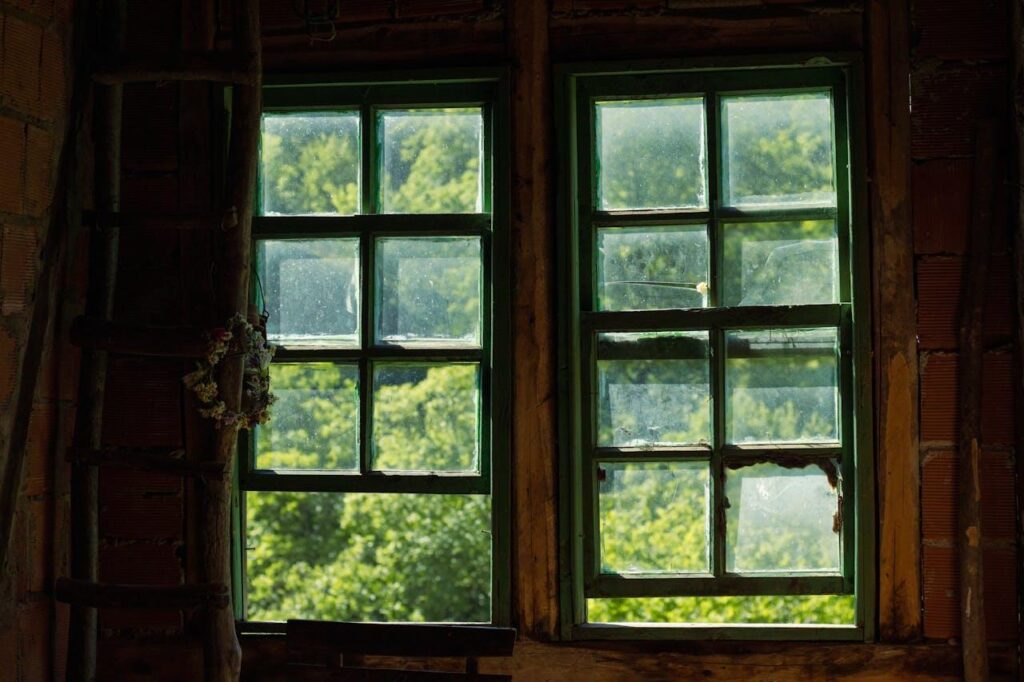
The good news is that selling a home with older, drafty windows is completely possible. Many buyers understand that aging homes come with quirks, and some even expect it. What matters most is how you position the property and communicate what the buyer can do once they take ownership. With the right approach, you can skip costly repairs and still attract strong offers from the right audience.
Purchasers Who Don’t Panic Over Drafty Windows
Some buyers see old windows and immediately think of replacement costs. Others see them as a minor issue compared to layout, location, price, and long-term potential. In many markets, buyers care more about getting into a home they like rather than micromanaging every aging feature. When your home hits their deeper needs, they become flexible on cosmetic or energy-efficiency upgrades.
Many buyers also look at these windows as a future improvement project they can handle at their own pace. They know window replacements can be phased, room by room. This mindset takes pressure off sellers because the window issue no longer becomes a deal-breaker. Clear communication, photos that show natural light, and honest pricing allow these buyers to feel confident about moving forward and help them envision their place in your home as part of their larger real estate journey.
Some buyers even value original windows for the charm they add to older homes. When vintage homes have thick frames or historic detailing, buyers sometimes choose to restore instead of replace. This extra layer of appeal helps sellers reach buyers who enjoy renovation work or want authentic features that newer homes rarely offer.
Sellers Worry More Than They Need To
Homeowners often assume that drafty windows automatically destroy their home’s value. In reality, the impact is usually smaller than expected because buyers look at the whole house, not only the windows. Things like good neighborhood schools, a strong roof, updated bathrooms, or a great yard can outweigh concerns about older windows.
Another reason sellers overthink this issue is the fear of inspection results. Inspections often note energy loss, frame rot, or broken seals. While this looks alarming on paper, many inspection items are common. Buyers know no home passes perfectly, and window concerns rarely overshadow structural or safety problems. If the rest of your home is in decent shape, the window note becomes just one line item among many typical aging-home observations.
Some sellers also believe they must offer a large credit or begin replacing windows before listing. That is rarely required. In competitive markets, buyers overlook small defects just to secure a home. Even in slower markets, simple steps like sealing gaps, adding weather stripping, or showing recent utility bills can help buyers understand the full picture. The goal is not perfection. It is transparency combined with realistic pricing.
Cash Purchasers Who Ignore Window Issues
Cash buyers take a very different approach compared to mortgage-dependent buyers. They focus on potential, resale value, and renovation plans rather than on every draft or outdated item. When you sell to a cash buyer, those old windows become a low-priority item in a long list of upgrades they already expect to handle.
Many cash buyers specialize in improving homes after purchase. They know window replacements are straightforward, and they often have contractor relationships that make the process more affordable. Old windows do not interrupt financing, cause delays, or create lender complications. This allows the sale to move forward quickly, even if the windows let in noticeable air leaks.
This is why services like Modern Offer REI appeal to homeowners who want simplicity. Their focus is on buying properties as they sit, without requiring you to repair or upgrade anything. This approach removes stress because sellers no longer need to pour money into fixes they won’t benefit from long-term.
Cash buyers also value speed. They do not want you investing time in repairs. They want the property available as soon as possible so they can begin improvements. Drafty windows fit right into this plan since they already assume the home will need modernization. This mindset allows you to avoid bids, contractor schedules, and unexpected repair problems.
Small Fixes That Improve Your Home’s Appeal
Simple improvements can help your home feel more comfortable during showings. None of these requires large investments, and they give buyers the impression of a home that has been looked after. Add clear caulking around window edges to reduce drafts. This small detail improves comfort while lowering the intensity of air leaks.
Weather stripping is another low-cost option that creates a tighter seal. It works well for windows that rattle or move with pressure. These adjustments help buyers feel fewer drafts without you needing to replace an entire frame or pane.
Clean windows also change the overall room feel. When glass is spotless, natural light pours in more clearly, making every room feel bigger and fresher. Sometimes the issue is not the window’s age but the difficulty of seeing past dirt, fog, or fingerprints. A simple cleaning gives your home more brightness and reduces the visual focus on aging frames.
Feeling Ready for the Next Stage
Selling a house with old windows does not have to be stressful. Many buyers accept them, some appreciate their charm, and cash buyers often expect them. Your role as a seller is to present the home in its best light, choose a price that reflects the home’s condition, and communicate honestly so buyers feel comfortable moving forward. When you understand how different buyers view the issue, you control the narrative rather than letting the drafty windows dominate the conversation.
If you focus on transparency, small improvements, and realistic expectations, your home can attract exactly the kind of buyer who values what your property already offers. Old windows may leak air and raise utility bills, yet they do not stop a home from selling well. With the right strategy, they become just another part of your home’s story rather than an obstacle that holds you back.