
Establishing a correct asking price is a significant choice for a homeowner who intends to sell a property. A price that describes the state of the building, its location, specific components and current financial trends is able to attract qualified purchasers. High prices can prevent interested individuals from viewing the property, while low prices may result in less money for the homeowner. Hamilton residents who understand the importance of precise pricing can use a strategy based on facts.
Attracting Qualified Purchasers
A precise asking price is a tool to reach individuals who search for homes within a specific financial limit. Many homeowners establish a budget before they browse online listings or visit real estate websites to compare houses. If a building is more expensive than similar houses, those looking for a home may remove it from their search results. A realistic price is therefore likely to reach individuals who have the intent and the funds to buy the property. Initial perceptions of a listing are also dependent on the price. Purchasers often look at multiple houses at the same time and evaluate the dimensions, quality and location of each. When the price is similar to the costs of competing buildings, visitors are more likely to request a tour or go to an open house – these early interactions are opportunities for homeowners to communicate with individuals who are ready to purchase.
Supporting a Prompt Sale
A house with a correct price is often on the market for a shorter duration because it is visible to the public immediately after it is listed. New listings are popular when the cost is a fair representation of the value of the building. If the asking price is higher than the costs of similar properties, the building may have fewer tours or offers during the first weeks. A house that remains for sale for a long time can cause individuals to suspect that the structure has hidden defects. Shortening the time a house stays on the market is also a practical advantage for the homeowner. Residents are responsible for mortgage payments, electricity, heating, taxes and repairs while the house is for sale. An accurate initial price is a way to prevent delays so the homeowner can transition to new housing or financial arrangements.
Reflecting Current Financial Trends
Property values are subject to change as the economy shifts – the asking price should be based on modern data. Recent sales of similar houses are evidence of what purchasers are currently paying for a home. Factors like the demand in a neighborhood, the number of available houses, the quality of the building and the general economy are also influential. Homeowners are encouraged to look at these factors together instead of using the value of the house from multiple years ago. The Hamilton real estate market is different depending on the specific neighborhood or the type of building. A house that stands alone, a condominium or a townhouse is attractive to different groups and competes with different listings. Comparing a house to similar properties provides a better basis for a price than comparing it to houses in other parts of the city.
Protecting the Investment
Precise pricing is a method for homeowners to seek a high return without using unrealistic numbers. A price that is low can create interest but may also lower the final amount of money the seller receives. Homeowners must find a balance between a fast transaction and the value of their asset. A detailed evaluation is helpful to set a price that is a true reflection of the position of the house in the market. Upgrades to the property are also a factor in the price – A kitchen with new appliances, modern bathrooms, a finished basement or a well kept exterior can increase interest from those looking to buy. The cost of improvements does not always result in an equal increase in the market price of the house. Purchasers look at the entire building and compare it to other houses for sale.
Using Market Evidence
Homeowners can make better decisions – looking at houses that have already sold instead of only looking at current listings. An asking price is a statement of what a seller wants, while a final sale price is evidence of what a purchaser actually paid. Reviewing multiple completed transactions can show trends related to the size, location and features of a home. Real estate agents are also a source of data regarding the market and can explain the meaning of recent sales. The knowledge these professionals have about current activity is a supplement to public data. Homeowners can ask questions about the reasons for a suggested price to ensure they are making a logical decision.
Avoiding Multiple Price Reductions
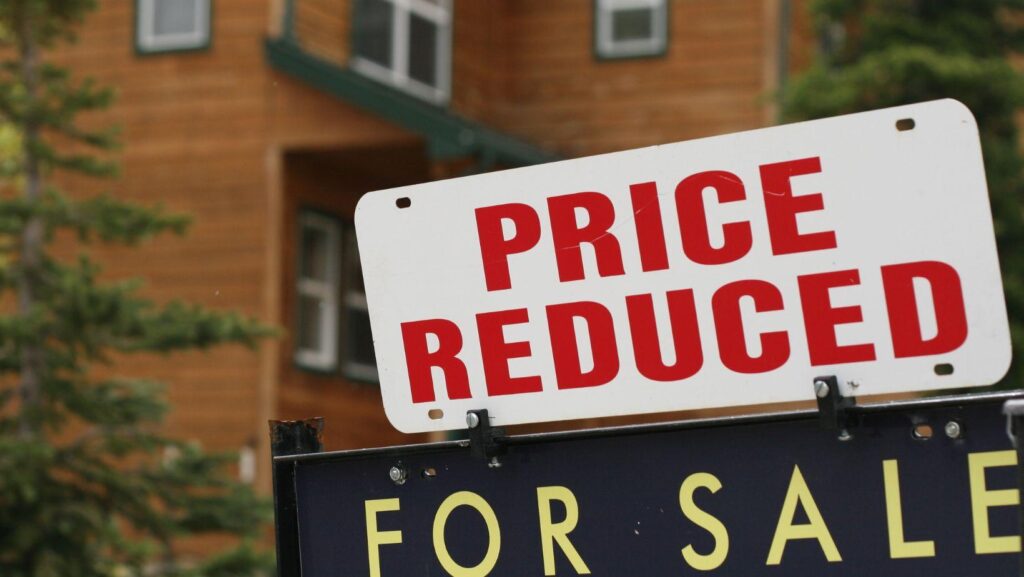
An asking price that lacks evidence often leads to multiple price cuts if purchasers do not show interest. Frequent changes to the price may lead individuals to believe the house is difficult to sell or that the homeowner is in a hurry. Some people may wait for the price to drop again instead of making an offer when the house is new to the market. A price based on research is a way to avoid the situations – Homeowners can check recent sales, look at the condition of the house and evaluate the competition before they choose a number. Using time to set a realistic price is a strong foundation for the listing and reduces the need for changes later.
Conclusion
Precise pricing is essential to attract serious purchasers, ensure a prompt sale and protect the financial interests of the homeowner. Residents in Hamilton should look at current trends, similar sales and the condition of the house when they set a price. A logical strategy is a way to make the house competitive and provide the seller with a realistic expectation of the result.