
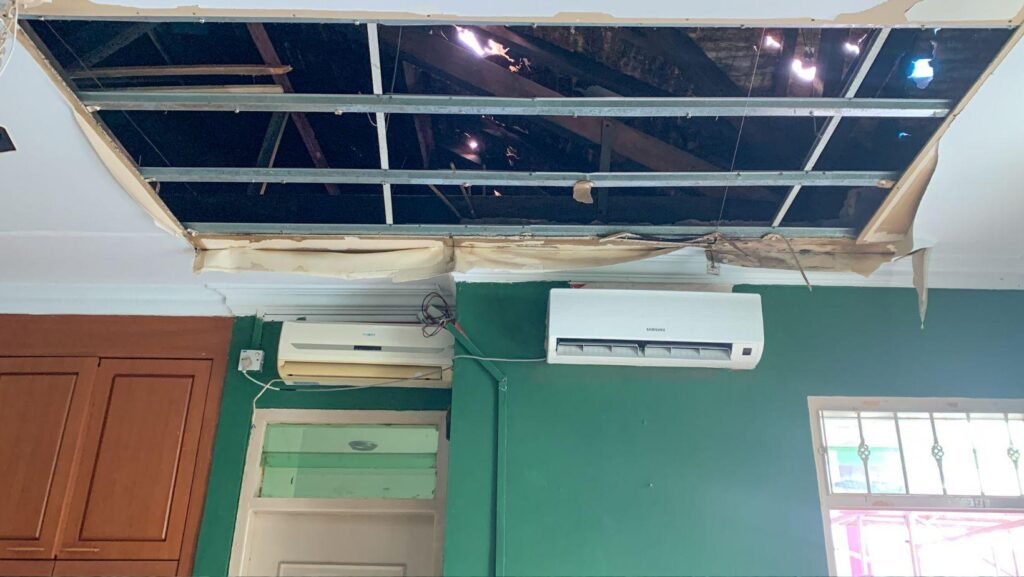
Construction projects in a residence often uncover difficulties that stay hidden during daily routines. Homeowners frequently find evidence of insects or rodents in wall cavities, subfloors and cabinetry during the removal of old materials – these discoveries are often surprising but they offer a chance to resolve infestations before new surfaces hide the affected sections again.
Access to Concealed Locations
Pests typically seek out dark, warm spaces that are distant from household movement. Wall interiors, attic spaces and the voids behind cupboards are common nesting sites. When demolition opens these sections, residents may see fecal matter, nesting debris or wood that is no longer intact.
Demolition also reveals the routes that animals use to travel through a building. Gaps around plumbing, electrical cables and support beams often link different rooms. Visible pathways allow residents to see how animals entered the structure so that these points can be secured before the project proceeds.
Exposure of Physical Damage
Specific organisms damage building components over long durations. Wood consuming insects are capable of weakening structural frames, while rodents often gnaw through electrical wires and thermal insulation. Renovations bring the hidden defects into view. Identifying these issues early is helpful for deciding if repairs are necessary before workers install new finishes.
Water-related decay is another factor that encourages pest presence. Damp wood from leaks or poor ventilation attracts certain insects and hastens the rot of building materials. Contractors often find both water damage and signs of pests simultaneously. Fixing the source of the moisture is a primary step in stopping future infestations.
Identification of Physical Evidence
Residents should examine the debris found during demolition to determine if an infestation is active. Discarded insect shells and tunnels in materials are indicators of past or current residents. The placement of these items shows where pests lived or traveled.
Construction waste requires careful handling if it contains biological hazards. Moving infested materials through a clean house can spread contaminants. It is helpful to record the location of the findings and speak with the building contractor. If the severity of the issue is unknown, a detailed inspection is a practical step before finishing the work.
Inspection Before Closing Surfaces
Building projects provide a unique chance to seal entry points while they are easy to reach. Holes around pipes and vents are more visible before the installation of drywall. Closing the gaps and fixing broken parts are effective ways to prevent pests from returning to the renovated space.
Homeowners are encouraged to avoid hiding evidence of pests just to stay on a schedule. While contractors can see structural flaws, pest behavior often requires a specific evaluation. Investigating the issue before sealing walls prevents the need to tear down new materials later.
Coordination of Specialized Services
Professional help is useful when workers find significant evidence of an infestation. Property owners who require pest control Whitby can schedule a site visit when they find signs of activity during a remodel. A specialist identifies the specific animal, checks the structure and determines if a treatment is required.
Proper timing is vital because many areas are impossible to reach once floors and cabinets are in place. Residents seeking pest control Oshawa also benefit from inspections before completing major construction phases. Aligning pest management with the building schedule ensures that technicians can treat the internal sections of the house easily.
Planning for Long Term Prevention
Preventative steps are easy to integrate into the final stages of a renovation once the initial problem is solved. Tightening seals and fixing leaks reduces the environmental factors that support pests. Changing how food and waste are stored also ensures the new space is not attractive to insects or rodents.
Remodeling is a way to improve the visual appeal and the physical state of a building. Finding pests during this process is an inconvenience but it reveals problems that might stay hidden for many years. Managing these issues before the project ends protects the investment and prevents future infestations.
Conclusion
Construction reveals hidden pest issues – exposing areas that are usually closed. Signs of nests, physical damage and water issues become visible during the removal of old structures. Residents who examine these findings before closing the walls can fix the root causes and implement better protection for the future.