
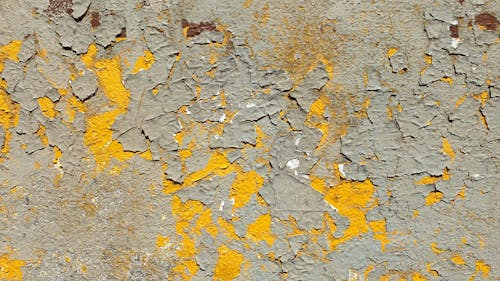
Minor details speak louder than you think when a buyer walks up to your door.
When you’re getting ready to sell your home, it’s easy to focus on the big things: a kitchen remodel, new flooring, or a fresh coat of paint inside. Those things matter. Still, a lot of sellers lose buyers before they ever step through the front door. It’s the small, easy-to-ignore details that quietly chip away at buyer confidence. A cracked sidewalk here, some peeling paint there, on their own, they seem harmless. Together, they send a message that the home hasn’t been taken care of.
First Impressions Start at Street Level
Buyers form an opinion about your home within seconds of pulling up. That first glance, what real estate people call curb appeal, sets the emotional tone for everything that follows. If someone sees a cracked driveway, a broken porch step, or a gate hanging off one hinge, their brain immediately starts asking questions. How old is this place? What else is broken? Is this going to be a money pit?
You don’t need to redo your entire front yard. Something as simple as power-washing the driveway, re-edging the grass, and replacing two rusted house numbers can change how a buyer feels before they even ring the doorbell. Small effort, big shift in perception.
Peeling Paint Says More Than You Think
Paint is one of those things that sellers overlook because they’ve lived with it so long that it becomes invisible. Buyers see it immediately. Peeling paint on window frames, the front door, or exterior siding signals moisture problems, deferred maintenance, or just plain neglect. Any of those things can make a buyer nervous enough to move on to the next listing.
Interior peeling paint near windows or bathrooms is even more concerning. It often hints at water damage or poor ventilation. A buyer’s home inspector will flag it. That creates a negotiation problem that could have been fixed with a $20 can of paint and an afternoon of your time.
Companies like Myers House Buyers often point out that cosmetic issues are among the top reasons buyers talk themselves out of a home, even when the house’s bones are perfectly solid. Don’t let a paint chip cost you thousands in negotiations.
Sidewalk Cracks and Exterior Damage Nobody Fixed
A cracked sidewalk in front of your home is a liability in two ways. First, it’s a safety issue, buyers notice, and so do their lawyers. Second, it visually ages your property. A clean, even walkway signals pride of ownership. A cracked, heaving one signals that repairs get put off.
|
Buyers aren’t just buying walls and a roof. They’re buying into a story about how a home has been looked after. Exterior damage is the first chapter of that story. |
Check your driveway for cracks, too. Small cracks can be filled with driveway sealant for very little money. If your front steps are chipped or your porch railing wobbles, those are quick fixes that carry serious visual weight. Buyers notice structural-looking problems even when they’re minor. Fix them before you list.
Overgrown Yards and Dead Plants Work Against You
A yard doesn’t need to look like a magazine spread. It just needs to look like someone cares. Dead shrubs along the front of your home, weeds growing through the mulch, or an overgrown lawn make buyers feel like they’re walking into a project.
Mow the lawn before every showing. Pull the obvious weeds. Trim shrubs so they’re not blocking windows. If you have dead plants in visible spots, pull them out; the space looks cleaner than dead vegetation.
Indoor Details That Quietly Push Buyers Away
Once buyers are inside, they’re scanning for more small red flags. Dripping faucets, sticky cabinet doors, outlet covers that are cracked or missing, light switches that don’t work; these all add up. One or two quirks feel normal. A pattern of small broken things feels like a poorly maintained home.
- Dripping faucets in the kitchen or bathrooms
- Cracked outlet covers or broken light switch plates
- Cabinet doors with broken hinges or that won’t close properly
- Scuffed baseboards and scratched door frames
- Stained grout or loose caulking around tubs and sinks
None of these things is expensive to fix. A pack of outlet covers costs a few dollars. New caulk around the tub takes an hour. Re-hanging a cabinet door takes twenty minutes. These fixes won’t add tens of thousands to your sale price, but they stop buyers from mentally subtracting money from their offers.
Walk through your home slowly and look at it the way a stranger would. You’ll be surprised how many small things you’ve stopped noticing. Make a list and knock them out one weekend before your listing photos are taken.
Why Buyers Use Small Issues to Justify Bigger Doubts
Here’s something worth understanding about buyer psychology. When someone is spending a large amount of money on a home, they’re naturally looking for reasons to feel confident or to walk away. Small visible problems permit them to doubt. They start wondering what they can’t see. They think, if the seller didn’t bother fixing the sidewalk, what did they skip on the roof?
That doubt is hard to undo once it starts. A buyer who walks in already nervous because of curb appeal issues will look at everything through that lens. They’ll lowball the offer or ask for credits to cover repairs you could have done for almost nothing.
Addressing the small stuff isn’t about making your home look perfect. It’s about removing the friction that gets in the way of a buyer falling in love with it.
Getting Your Home Ready Doesn’t Have to Be Overwhelming
Selling your home is already a big process. Thankfully, fixing the small stuff doesn’t require a big budget or a contractor. A weekend of focused attention on your exterior, another one on your interior details, and you’re in a much stronger position before the first showing.
Start outside. Walk to the street and look at your home the way a buyer would. Move to the front door and test it. Go through every room inside and check the things that are easy to miss when you live there every day. Tighten, patch, touch up, and clean. That’s really all it takes to stop the small stuff from quietly killing your chances.