
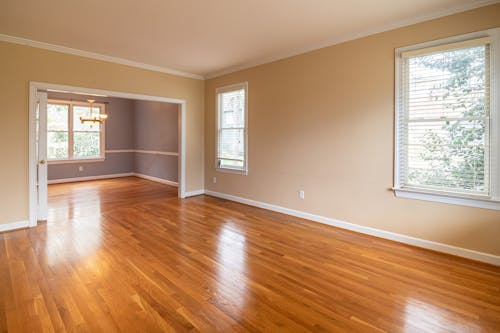
Walk into any home, and your feet react before your brain does. Cold tile, soft carpet, uneven wood, or sticky laminate all send a signal in seconds. Buyers may not say it out loud, yet flooring shapes their first impression in a quiet, powerful way. A fresh paint job might catch the eye, yet the floor decides how the space feels.
Sellers often focus on walls, kitchens, and lighting. Floors stay in the background until the very end. That delay can cost attention and money. A buyer who feels discomfort underfoot starts looking for problems, not possibilities.
“People forget what they saw, yet they remember how a place felt.”
Flooring sits at the center of that feeling.
Where value quietly rises or drops
Flooring has a direct link to perceived value. Clean, even, and modern surfaces can lift a room without changing anything else. Worn, stained, or mismatched floors can pull the entire home down, no matter how good the layout is.
Professionals like Plot Property Group often see buyers hesitate at the door when floors look tired. That hesitation turns into lower offers or longer time on the market. A small upgrade can shift that outcome.
Here is a simple look at how flooring choices affect value:
|
Flooring Type |
Buyer Reaction |
Maintenance Feel |
Value Impact |
|
Hardwood |
Warm, premium |
Easy to clean |
High |
|
Tile |
Cool, durable |
Moderate |
Medium-High |
|
Vinyl |
Practical |
Easy |
Medium |
|
Carpet |
Soft, cozy |
Hard to maintain |
Medium-Low |
The goal is not to chase luxury. The goal is to remove doubt. Buyers pay more when they feel confident.
Why do people delay fixing floors?
Flooring projects feel messy and time-consuming. Furniture has to move. Dust spreads. Costs can vary, which makes decisions harder. Many sellers think, “It still works, so it is fine.” That mindset leads to missed opportunities.
There is also a belief that buyers will replace flooring anyway. In reality, most buyers prefer a move-in-ready space. They do not want to plan repairs right after purchase. They want comfort from day one.
Another reason is simple visibility. Floors do not shout for attention like cracked walls or broken fixtures. They stay under everything, quietly aging. By the time the issue feels obvious, it already affects the home’s appeal.
Small changes that make a big difference
You do not always need a full replacement. Smart updates can refresh the look and feel without a huge budget.
Deep cleaning is the first step. Professional cleaning can revive carpets and remove years of hidden dirt. For hard floors, polishing or sealing can bring back shine.
Repair comes next. Fix loose tiles, fill gaps, and smooth uneven spots. These small details show care and attention. Buyers notice when a home feels maintained.
If replacement is needed, choose simple and neutral styles. Light wood tones, soft grays, and clean patterns work across different tastes. Loud designs can limit appeal.
Area rugs can also help. They add warmth and hide minor flaws while giving rooms a finished look.
Matching floors with the space
Not every room needs the same flooring. Each space has its own use and feel.
Living rooms benefit from warmth. Wood or quality vinyl creates a welcoming tone. Bedrooms can use softer surfaces for comfort. Kitchens and bathrooms need durability and water resistance, so tile or waterproof vinyl works well.
Consistency matters across connected areas. Sudden changes in flooring can break the flow of a home. A smooth transition creates a sense of space and balance.
Think about how people move through the home. The path from the entrance to the main living area should feel easy and pleasant underfoot.
Budget choices that still look good
You can improve flooring without spending a fortune. The key is planning.
Set a clear budget first. Decide where to invest more and where to save. High-traffic areas deserve better materials. Less-used rooms can work with simpler options.
Here are a few budget-friendly ideas:
- Use laminate or vinyl instead of hardwood in larger areas
- Replace only damaged sections instead of the full floor
- Choose standard sizes and patterns to reduce costs
- Install during off-peak seasons when labor rates may be lower
Good design is not always about a high price. It is about making smart choices that improve the overall feel.
Common mistakes that turn buyers away
Some flooring issues are easy to avoid, yet they often appear in homes on the market.
Strong odors from old carpets can create an instant negative reaction. Even if the rest of the home looks clean, the smell stays in the mind.
Mismatched materials between rooms can feel chaotic. A buyer may see it as extra work rather than style.
Visible damage like cracks, stains, or lifting edges signals neglect. It makes buyers question what else has been ignored.
Overly bold patterns can limit appeal. What feels unique to one person may feel overwhelming to another.
Keeping things simple, clean, and consistent helps avoid these problems.
A quick checklist before listing
Before showing your home, take a moment to review your flooring.
- Are all surfaces clean and free of stains?
- Do any areas feel uneven or damaged?
- Is there a strong smell coming from the carpets?
- Do the colors match across connected spaces?
- Does the flooring support the overall style of the home?
If most answers are yes, you are on the right track. If not, a few updates can make a big difference.
Final thought for smart sellers
Flooring may not be the first thing sellers plan to fix, yet it shapes every step a buyer takes. It speaks without words, guiding comfort, confidence, and value.
When your floors feel right, everything else feels easier. Buyers walk in, move around, and start to imagine living there. That feeling leads to better offers and faster decisions.
Give your floors the attention they deserve. Your future buyer will notice it with every step.
FAQs
1. Why is flooring important when selling a home?
Flooring affects the first impression and overall comfort. Buyers often judge the condition of a home by how it feels underfoot.
2. Should I replace all flooring before selling?
Not always. Cleaning, repairing, and updating key areas can be enough to improve appeal without full replacement.
3. What type of flooring do buyers prefer?
Most buyers like simple, neutral, and durable options such as wood, tile, or quality vinyl that are easy to maintain.