
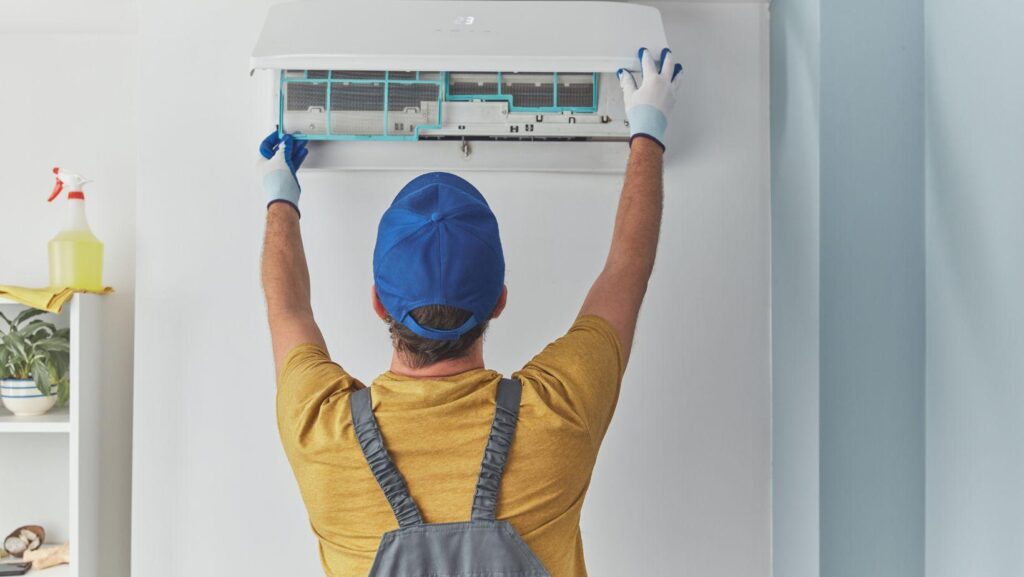
When shopping for a new air conditioning system, you’ll likely come across the term SEER rating. While it may seem like just another technical specification, understanding SEER ratings can help you choose a system that delivers better comfort, lower energy bills, and long-term value for your home. Before investing in a new cooling system, it’s important to know what SEER means and how it affects performance.
What Is a SEER Rating?
SEER stands for Seasonal Energy Efficiency Ratio. It measures how efficiently an air conditioner operates over an entire cooling season. The rating is calculated by dividing the cooling output by the amount of energy the system consumes during that period.
In simple terms, the higher the SEER rating, the more efficiently the unit uses electricity to cool your home. A higher-efficiency system can provide the same level of comfort while consuming less energy.
Why SEER Ratings Matter
Your air conditioner is one of the largest energy consumers in your home, especially during the summer months. Choosing a system with an appropriate SEER rating can significantly impact your monthly utility costs.
Benefits of higher SEER-rated systems include:
- Reduced energy consumption
- Lower cooling costs
- Improved indoor comfort
- More consistent temperatures
- Reduced environmental impact
Many homeowners discover that investing in a higher-efficiency unit can result in noticeable savings over the lifespan of the system.
Current SEER Standards
Federal efficiency standards have changed over the years, requiring newly manufactured air conditioners to meet minimum efficiency requirements. Today’s systems are far more efficient than units installed 10 to 20 years ago.
For example, replacing an older air conditioner with a modern high-efficiency system can often reduce cooling energy usage by a substantial margin. This makes upgrading especially attractive if your current unit is nearing the end of its lifespan.
Professionals at Thiele Heating and Air Conditioning often help homeowners compare available options and determine which efficiency level makes the most sense based on their budget and cooling needs.
Is a Higher SEER Rating Always Better?
While higher SEER ratings offer greater efficiency, they also come with a higher upfront cost. The best choice depends on several factors:
Climate
Homes in areas with long, hot summers typically benefit more from higher-efficiency systems because the AC runs more frequently.
Usage Habits
If you use your air conditioner heavily throughout the cooling season, the energy savings from a higher SEER system may justify the additional investment.
Budget
Homeowners should balance initial equipment costs with potential long-term energy savings. In many cases, a mid-to-high SEER system provides an excellent combination of affordability and efficiency.
Other Factors Affecting Efficiency
SEER ratings are important, but they are not the only consideration when purchasing a new air conditioner. Proper installation, ductwork condition, insulation levels, and thermostat settings all influence overall performance.
Even the highest-rated AC unit may underperform if it is incorrectly sized or installed. That’s why working with experienced professionals is critical when selecting and installing a new system.
Final Thoughts
Understanding SEER ratings can make the process of buying a new air conditioner much easier. By comparing efficiency levels and considering your home’s specific needs, you can choose a system that delivers reliable comfort and long-term savings.
Whether you’re replacing an aging unit or installing a cooling system for a new home, consulting with trusted experts like Thiele Heating and Air Conditioning can help ensure you make an informed decision that keeps your home comfortable for years to come.