
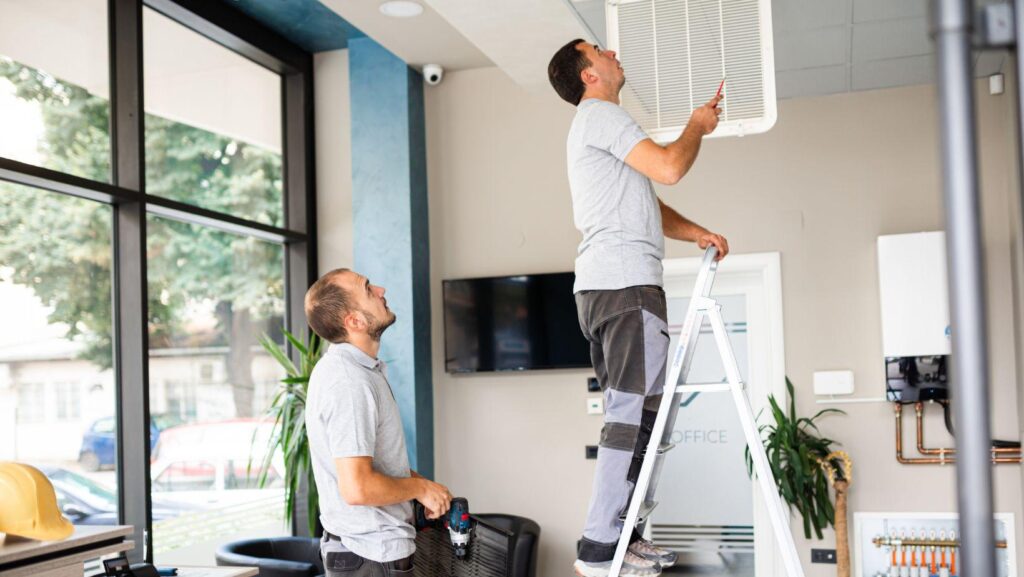
The difference between a property that holds its value and one that deteriorates fast comes down to one thing: maintenance strategy. Most building owners and facility managers know this intellectually, but execution is where it gets messy. Reactive repairs eat budgets, create tenant disruptions, and tank property value faster than neglect itself. The smarter approach is building a preventive maintenance program that catches problems before they become expensive disasters.
This isn’t about obsessive micromanagement of every pipe and bolt. It’s about understanding which assets matter most, establishing realistic inspection schedules, and tracking work systematically. The payoff? Lower emergency repair costs, longer equipment lifespan, and facilities that operate without constant crises.
Where Most Maintenance Programs Fall Apart
Property maintenance fails when it’s disconnected from day-to-day operations. A maintenance plan written once and filed away doesn’t work. Real facility management requires coordination between your maintenance team, tenants, vendors, and whoever handles scheduling and invoicing. When that coordination breaks down, priorities shift randomly, inspections get skipped, and suddenly a roof issue becomes a ceiling collapse.
Another common trap is treating all assets equally. A 30-year-old HVAC system demands different attention than a two-year-old one. Parking lot sealcoating has a different timeline than fire suppression testing. Building a program means mapping your actual assets, understanding their lifespan expectations, and scheduling work accordingly. That’s not exciting, but it’s what separates buildings that run smoothly from ones that feel chaotic.
Building an Inspection Schedule That Actually Works
Inspections are where strategy becomes reality. A solid inspection routine catches small failures before they spread. HVAC systems, roofing, electrical panels, plumbing connections, and structural elements all benefit from periodic assessment. The frequency depends on age, usage, and local climate—a roof in Denver faces different stress than one in Miami.
Facility managers often ask whether to hire external inspectors or rely on in-house staff. The honest answer is that you probably need both. Your maintenance team knows the building intimately and catches weird sounds or patterns insiders understand. Professional third-party inspectors bring fresh eyes and diagnostic equipment that surface issues your team might miss. Combine the two, and you have robust coverage. Document every inspection in a system where notes stay accessible and searchable. When something fails later, you’ll have a record of when it was last checked and what was noted. That’s invaluable for insurance claims and understanding failure patterns.
Preventive Maintenance Programs: The Real Cost Saver
Preventive maintenance sounds dry until you compare the numbers. A compressor replacement can cost $8,000 as an emergency repair or $2,000 as part of planned maintenance because you caught early wear. Parking lot crack sealing costs a few hundred dollars; full resurfacing costs tens of thousands. The ratio repeats across every building system.
A solid preventive program includes seasonal tasks (gutter cleaning before winter), equipment-specific tasks (HVAC filter changes and refrigerant checks), and building envelope maintenance (caulking, weatherstripping, window inspections). Schedule these in advance and bundle them where possible. If a contractor is already on-site for one job, stack related work to save on service calls and travel time. You might want to check out JobNimbus if you’re juggling multiple contractors and need visibility into who’s doing what and when—that kind of coordination software helps teams stay organized when maintenance gets complex.
Why Tracking Matters More Than People Think
Most facility managers keep notes somewhere. Some use notebooks, others spreadsheets, a few use dedicated software. The difference appears when you need history. When was the roof last inspected? Has this equipment had recurring problems? How much did we spend on the HVAC system last year versus last quarter? Without tracking, you’re flying blind and making reactive decisions instead of strategic ones.
Tracking also protects you. If a tenant claims they reported a water stain three months ago and nothing was done, your records either back you up or expose a gap. That accountability matters for liability, insurance, and simply knowing whether your maintenance plan is working.
Wrapping It Up
Commercial property maintenance isn’t glamorous, but it’s foundational to asset management. A preventive approach—built on solid inspections, clear scheduling, and documented follow-through—turns maintenance from a constant headache into a manageable process that actually protects your investment. Start by mapping your building’s actual assets and their maintenance needs, then commit to a rhythm of inspections and scheduled work. Your budget will thank you, and so will your tenants.